Case 3: Full-Mouth Rehabilitation for James Carter
Complete Upper Jaw Restoration & Lower Jaw Correction with a Flapless Procedure in Just 3 Hours
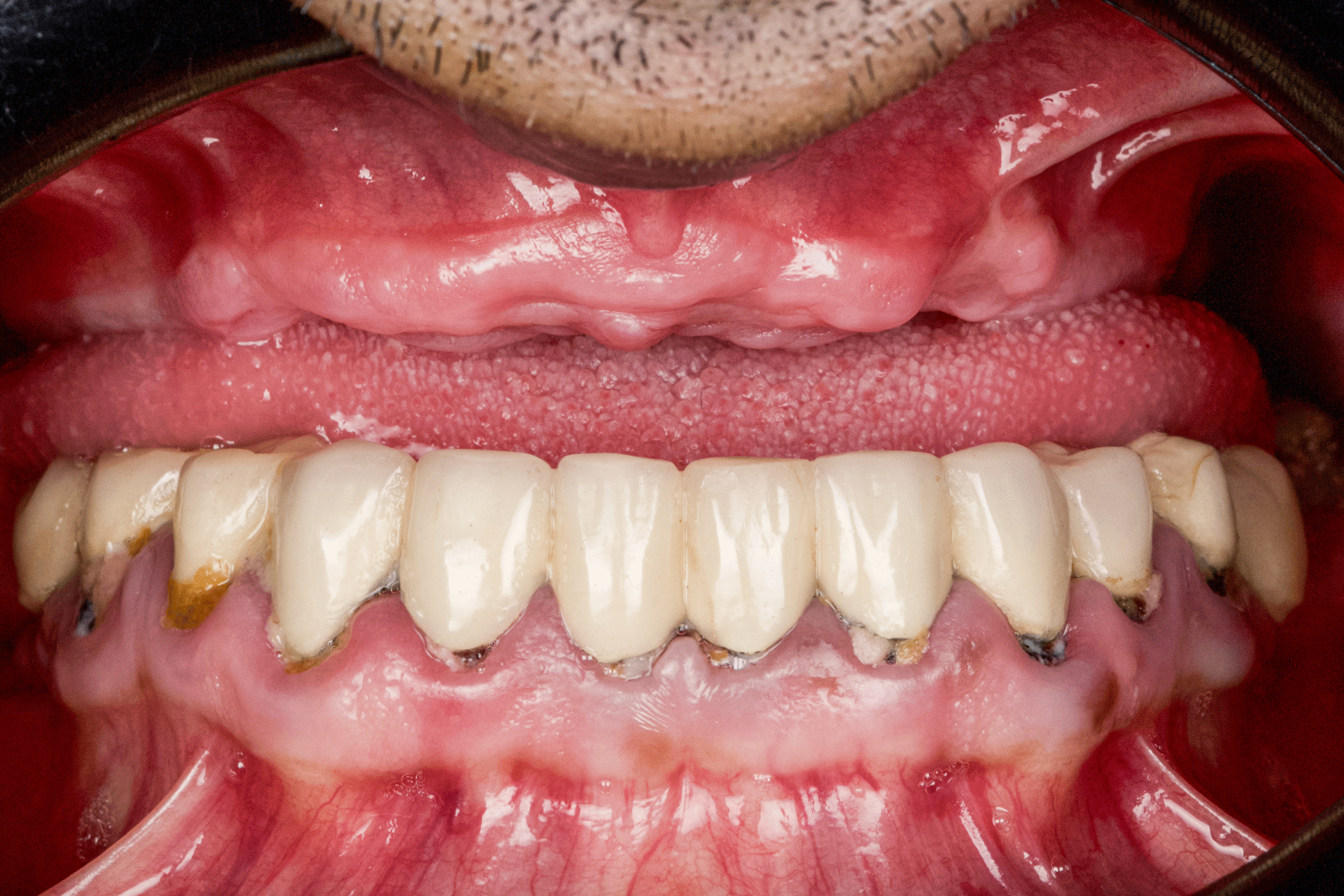
James Carter presented to our clinic with no remaining upper teeth and a failed lower-jaw restoration that left him unable to chew comfortably or smile with confidence. His condition was affecting both his daily function and overall quality of life, and he was seeking a fast, predictable solution that would restore his oral health without extensive surgical trauma.
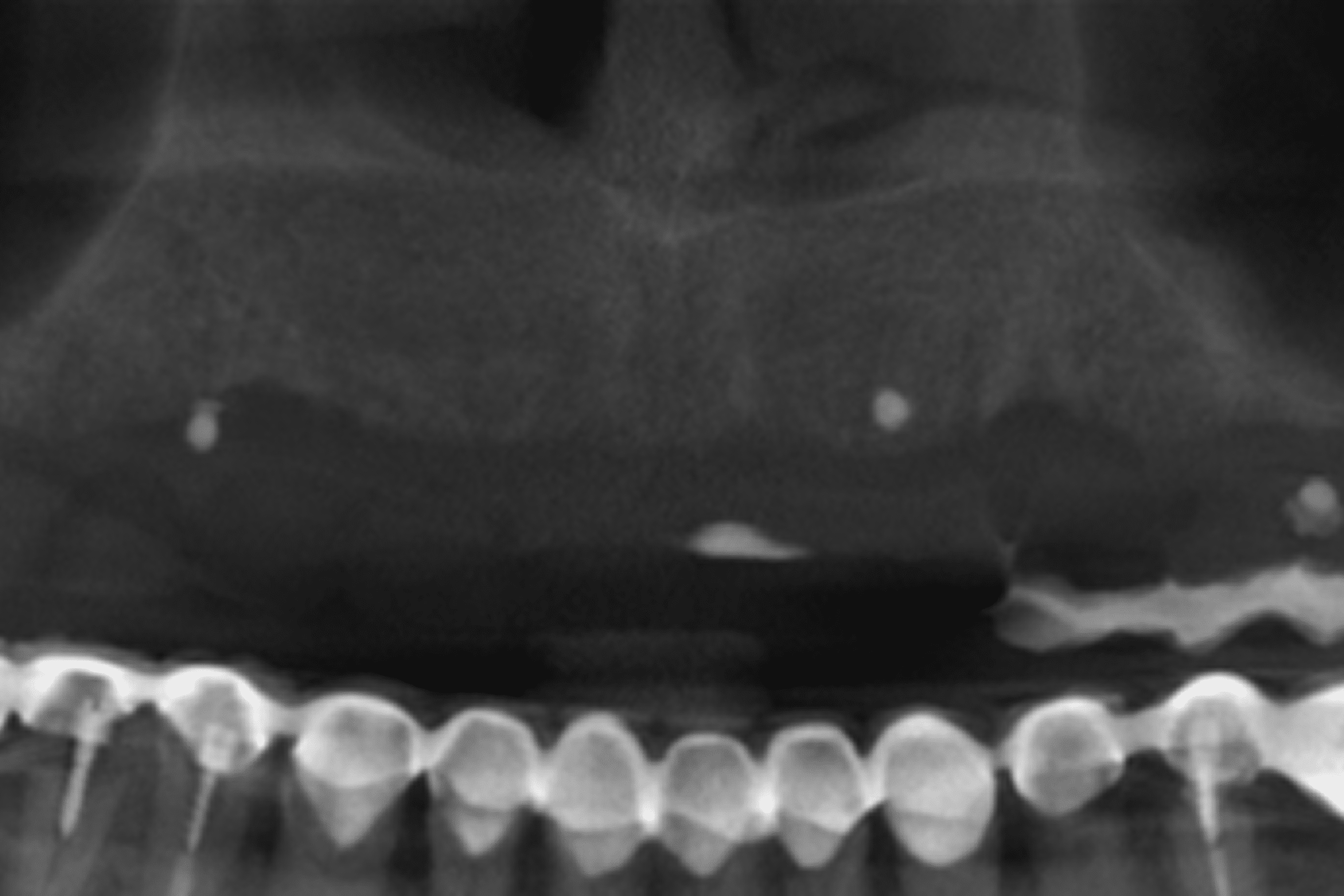
Following a full digital assessment and CBCT imaging, our team determined that James was an ideal candidate for a minimally invasive flapless implant procedure — a technique that allows implants to be placed through small, precise openings without the need for incisions or sutures.
This approach offers significantly shorter treatment time, reduced swelling, faster healing, and a smoother overall experience.
Treatment Timeline
Day 1 — Digital Evaluation & Treatment Planning
Comprehensive clinical and radiographic evaluation
Full 3D digital planning for upper and lower jaw restoration
Design of a minimally invasive, flapless surgical protocol
Day 2 — Flapless Surgical Procedure (3 Hours Total)
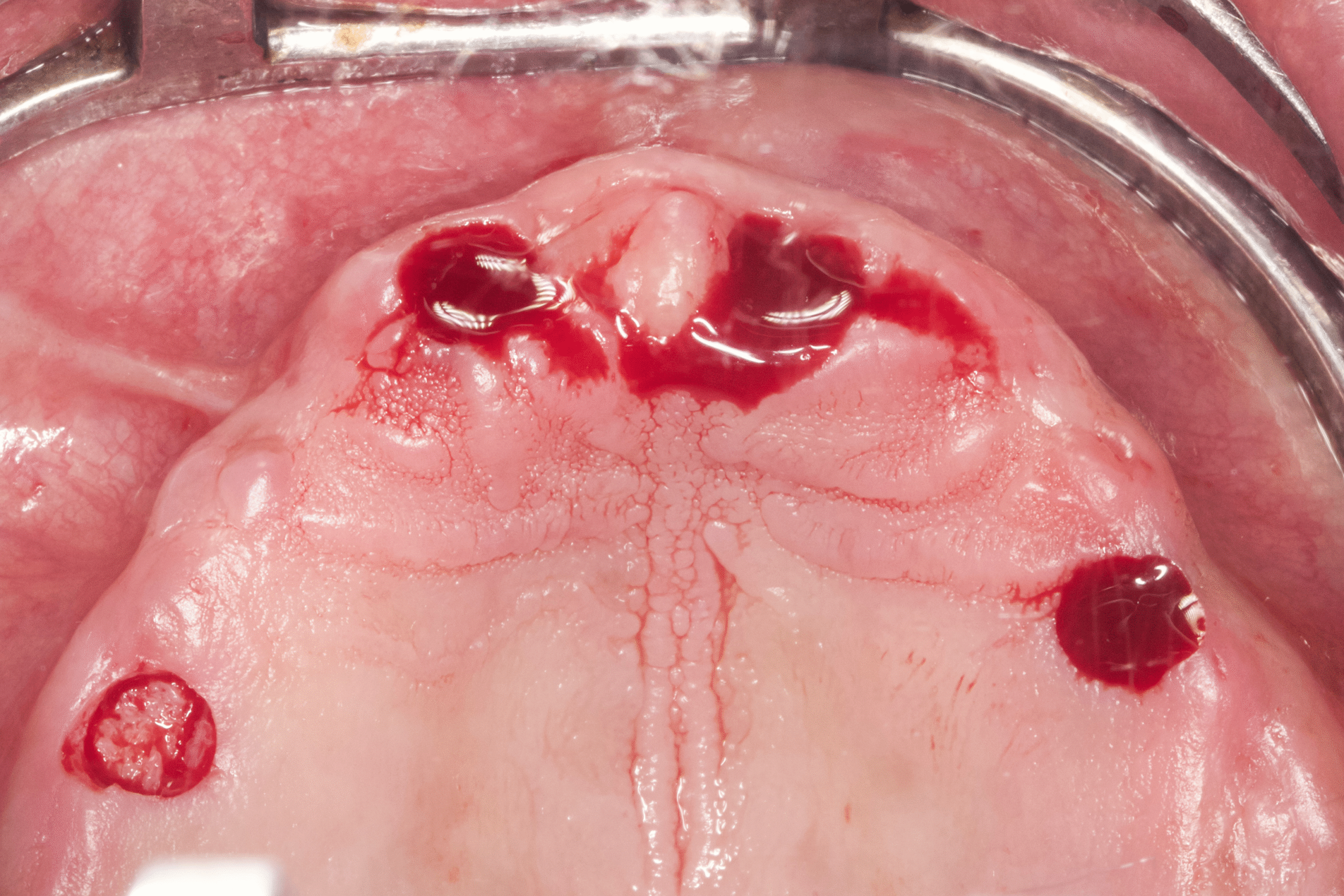
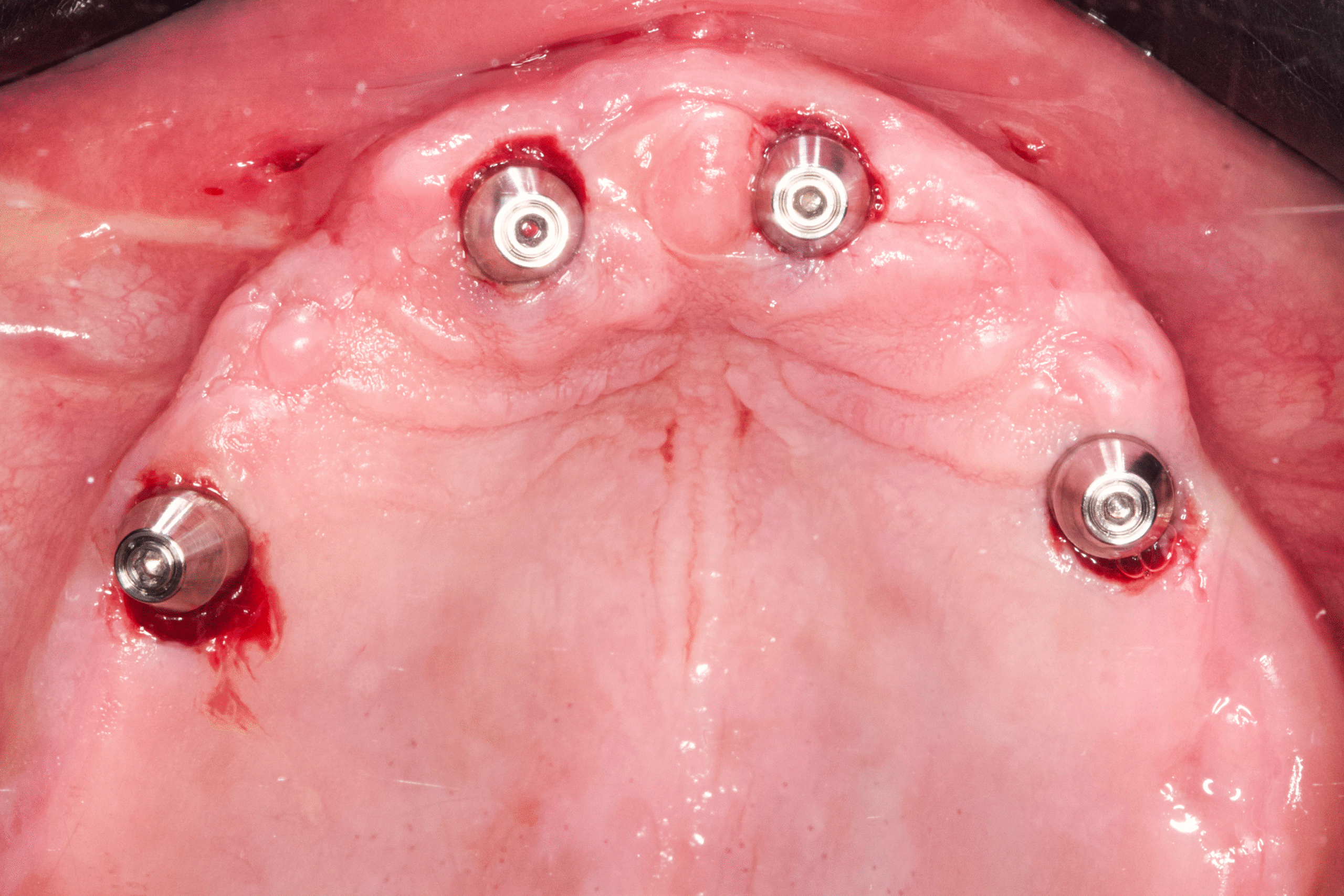
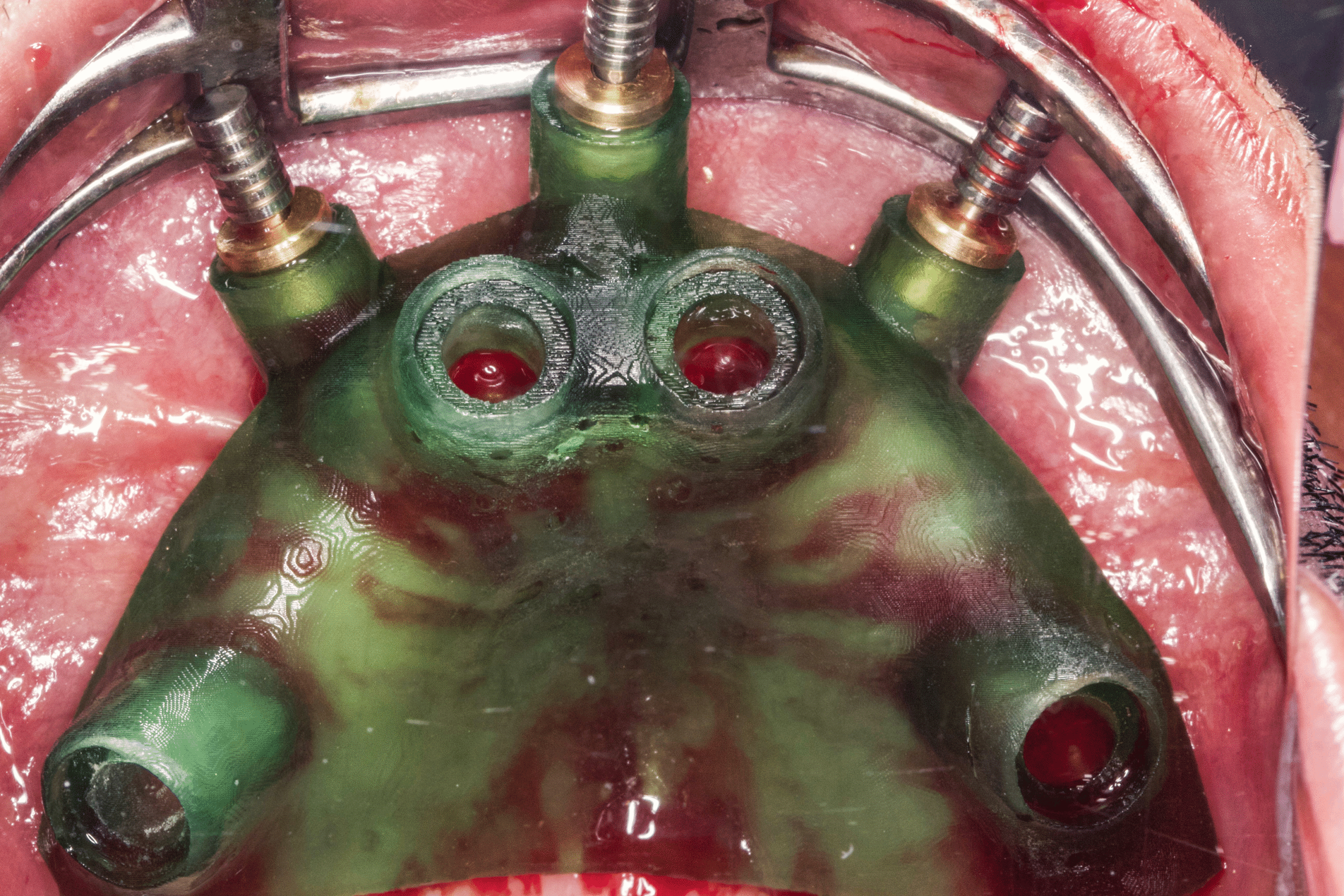
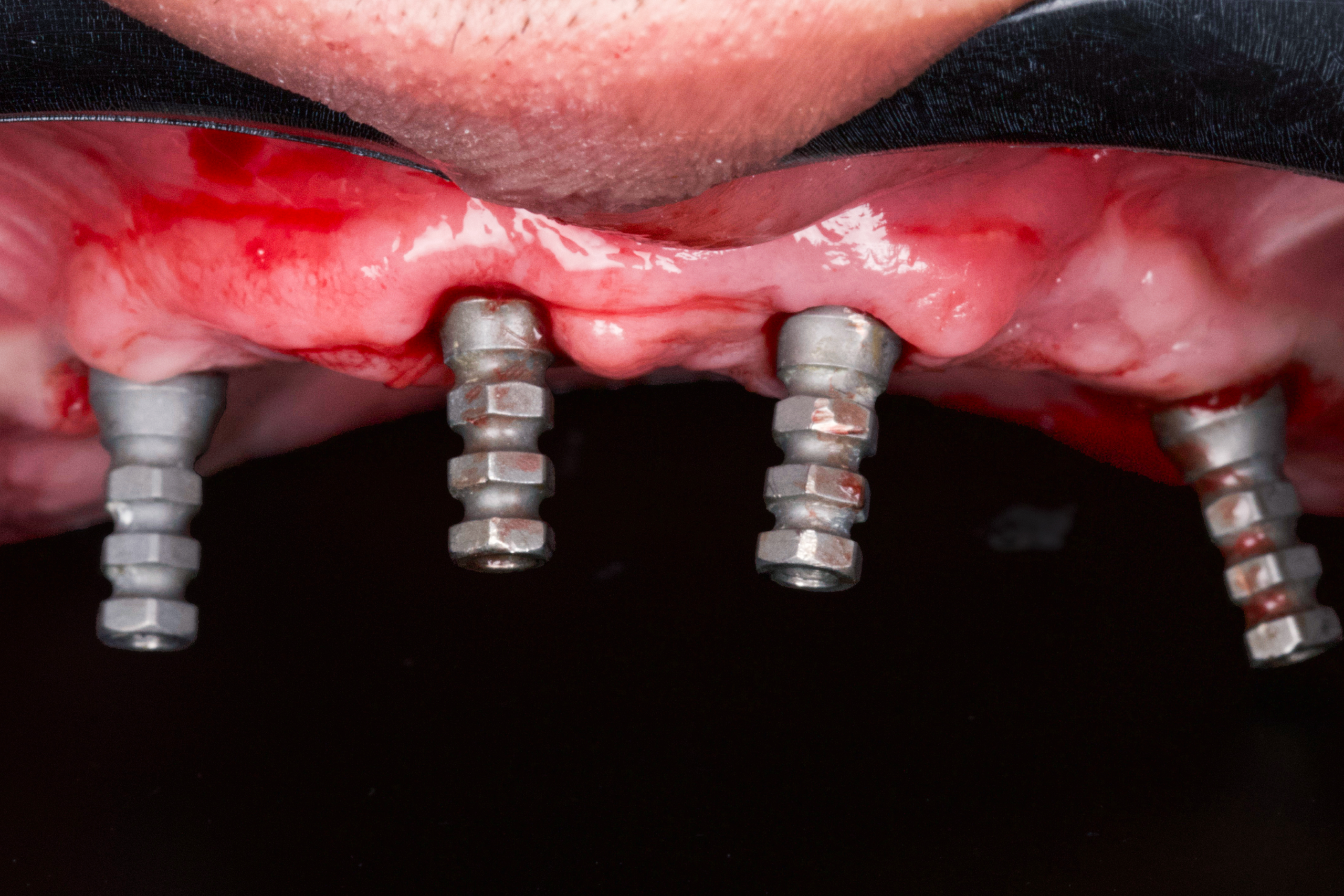
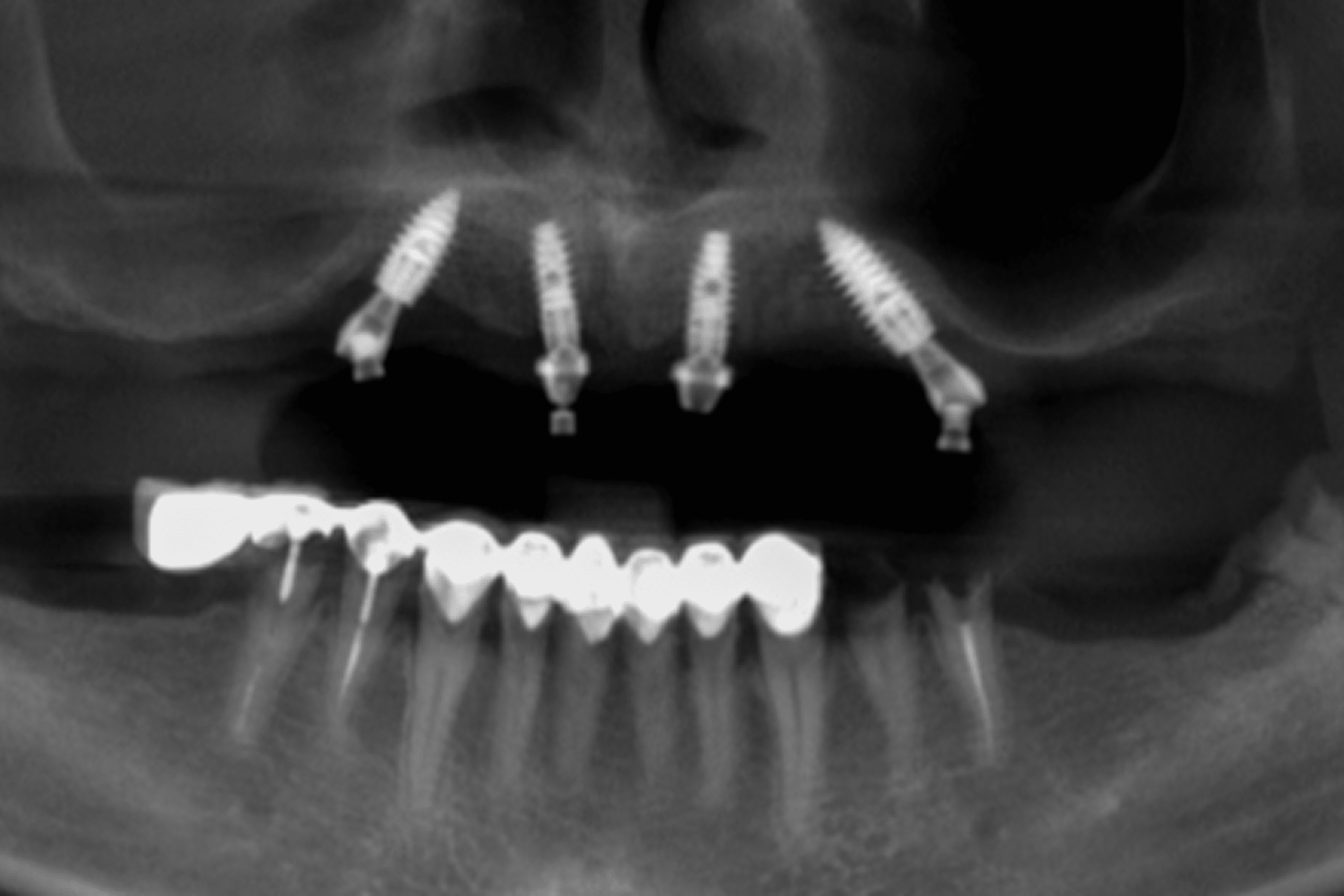
Placement of multiple implants in the upper jaw
Removal and correction of the failed lower-jaw restoration
Seamless implant placement using digital guides
No incisions, no sutures, minimal bleeding
Immediate Prosthetics Preparation
Digital impressions taken immediately after surgery
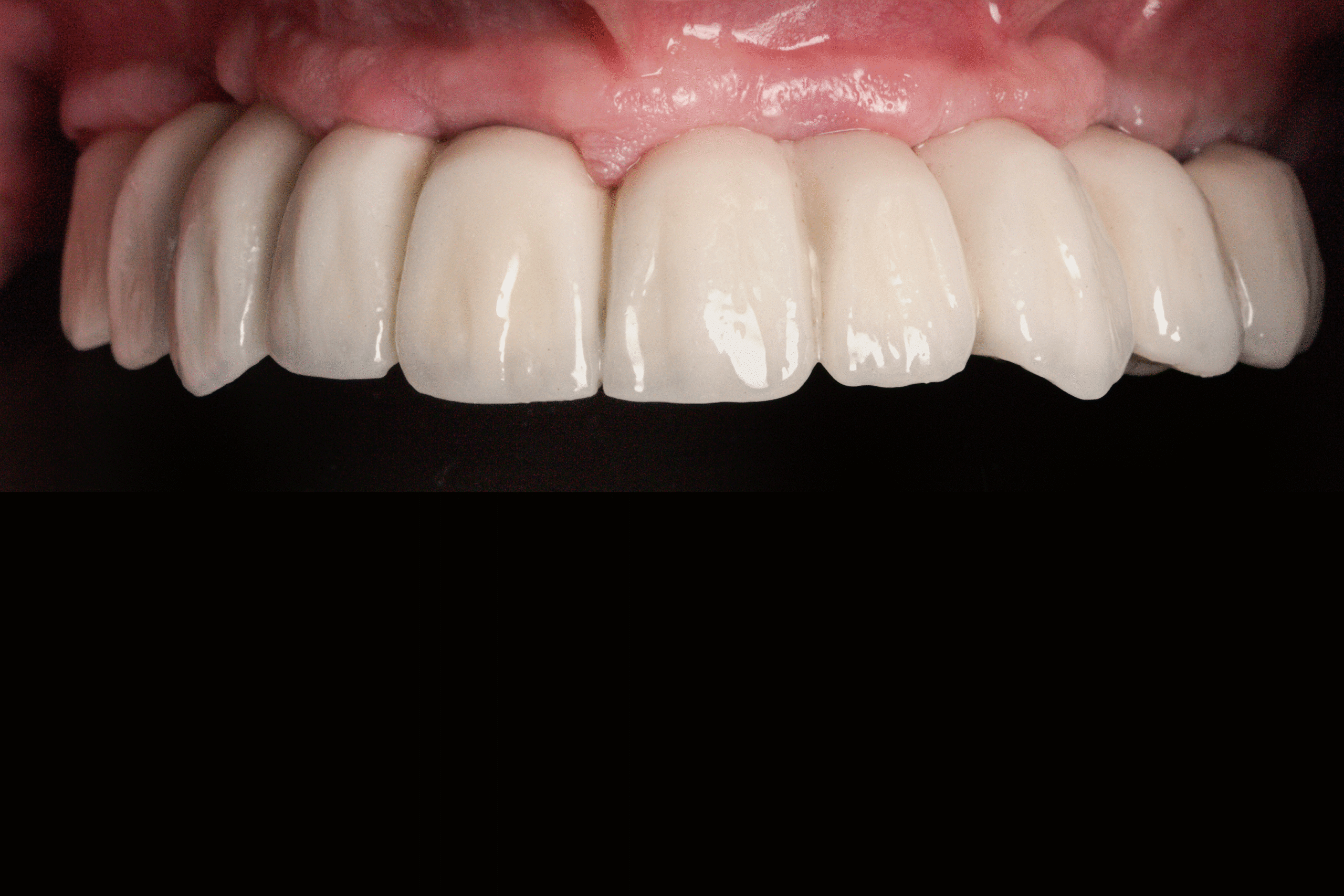
Temporary fixed teeth fabricated to restore function and appearance
Outcome
In only 3 hours, James received a complete upper-jaw reconstruction and a corrected lower-arch restoration using a fully flapless implant technique.
He left the clinic the same day with:
A functional temporary smile
Minimal discomfort
No surgical incisions
A dramatically improved ability to speak and chew
This case illustrates how advanced digital planning and minimally invasive implant techniques allow us to deliver efficient, predictable, and life-changing results — even for patients with complete upper-tooth loss and failed previous restorations.